
HTG overview
- Different severities of hypertriglyceridemia (HTG) are classified across a spectrum of elevated triglyceride (TG) levels1-5
- Across the HTG spectrum, increasing TG levels reflect a progressive failure of triglyceride clearance1,6
- Extreme levels of TGs are rarer and the associated risk increases1-5
- In severe HTG (sHTG; TG level ≥880 mg/dL [10 mmol/L]), acute pancreatitis is the predominant risk for patients7,8
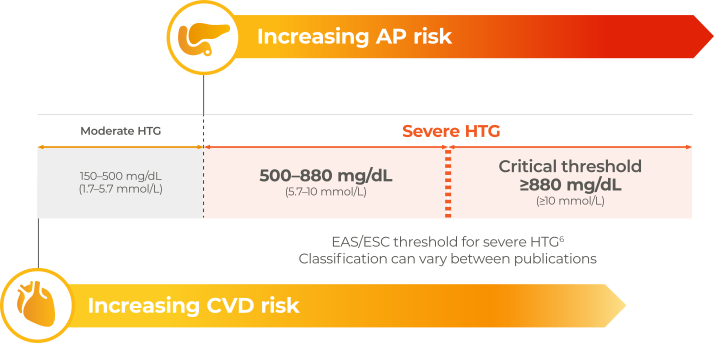
The role of lipoproteins in driving risk as TG levels increase
At TG levels ≥880 mg/dL (10 mmol/L), chylomicrons and very low-density lipoproteins (VLDL) are the predominant lipoproteins. Whereas high LDL levels primarily increase CVD risk, an abundance of chylomicrons and VLDL contributes to clinically significant risk of acute pancreatitis, proposed to be primarily due to a build-up of chylomicrons in pancreatic capillaries that leads to ischaemia.1-3, 9, 10
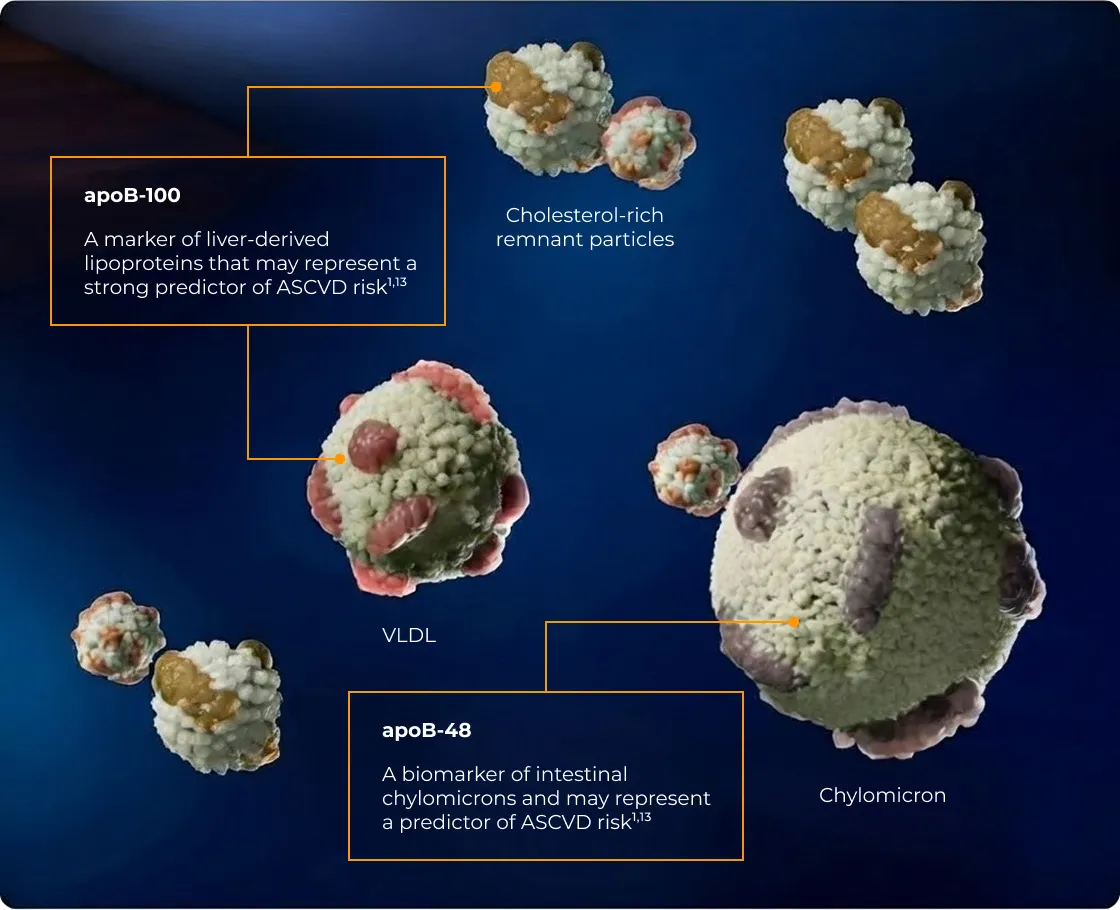
≥500 mg/dL
(≥5.7 mmol/L)
Risks and lipoproteins at this level
As triglyceride levels reach 500 mg/dL and above:1,9,14
- Triglyceride-rich lipoproteins (TRLs) are abundant and the ability to metabolise them via lipoprotein lipase becomes saturated
- Atherogenic lipoproteins, such as very low-density lipoproteins (VLDL) and cholesterol-rich remnant particles increase the risk of atherosclerotic cardiovascular disease (ASCVD)
- Chylomicrons and VLDL increase the risk of acute pancreatitis
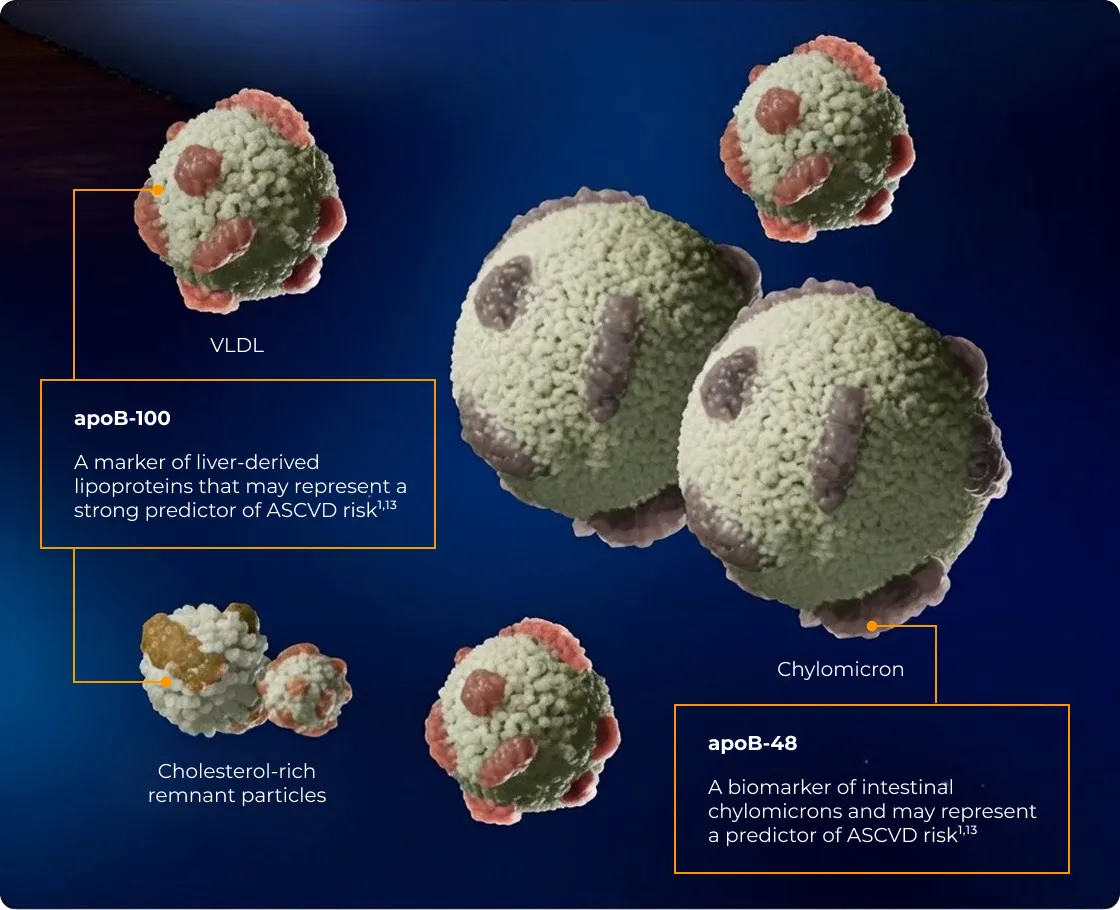
880 mg/dL
(10 mmol/L)
Risks and lipoproteins at this level
As levels approach 880 mg/dL:1,5,9
- Chylomicrons and VLDL start to predominate
- Rising levels of chylomicrons and VLDL contribute to increased risk of acute pancreatitis
- Atherosclerotic cardiovascular disease (ASCVD) risk remains but begins to plateau
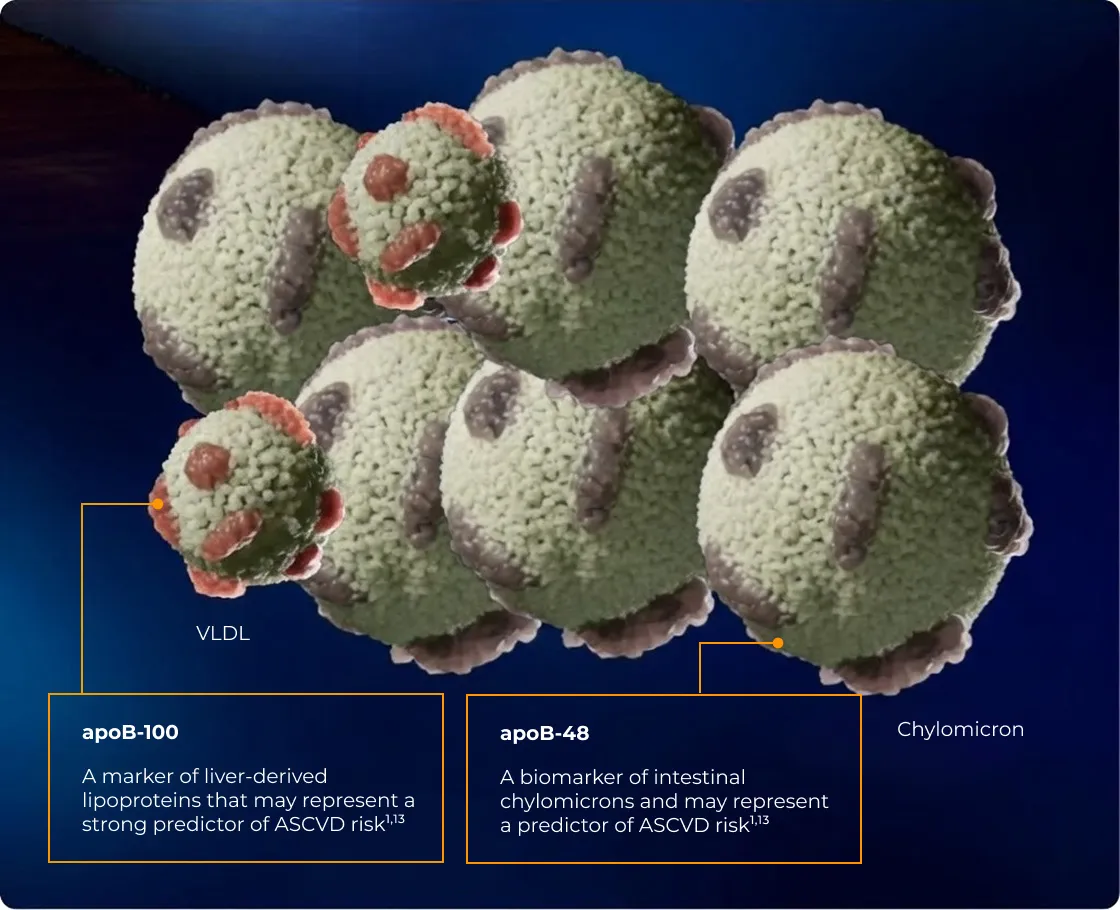
≥880 mg/dL
(≥10 mmol/L)
Risks and lipoproteins at this level
People with familial chylomicronemia syndrome (FCS) typically have persistently high triglycerides ≥880 mg/dL1,3
When triglyceride levels exceed 880 mg/dL:1,9,12
- Chylomicrons, in particular, and VLDL are the predominant lipoproteins
- The abundance of chylomicrons and VLDL contribute to clinically significant risk of acute pancreatitis
- VLDL continues to drive residual risk of atherosclerotic cardiovascular disease (ASCVD)
- Exponential increase in risk: Acute pancreatitis risk increases 3% with every 100 mg/dL rise in triglyceride levels 1000 mg/dL or above11
Prevalence of sHTG is likely underestimated
- When prevalence is underestimated, so is the true risk of severe complications14-16
- It is estimated that 0.1–0.2% of people are affected by sHTG (≥880 mg/dL [10 mmol/L])17
True prevalence is likely higher:14-16
- Variations in classifications of HTG may limit understanding of HTG prevalence6
- TG levels are dynamic and can surge dramatically after meals. Fasting lipid profiles may miss severe elevations in TG levels6,14,15
- Signs and symptoms may not be recognised, with TG levels often being overlooked as a cause of abdominal pain or acute pancreatitis18
sHTG can be caused by a combination of genetic and secondary factors6,19
Genetic and secondary factors drive disease:
- Accumulation of small-effect single-nucleotide polymorphisms (and in some cases rare heterozygous large-effect variants) are exacerbated by secondary factors
Secondary factors include:
- Comorbidities: Poorly controlled type 2 diabetes, obesity, metabolic syndrome, hypothyroidism, kidney disease
- Medications: Corticosteroids, oral oestrogens, retinoids, certain antipsychotics, immunosuppressants
- Lifestyle and diet: Excessive alcohol intake, high-fat/high-glycaemic index diet, sedentary lifestyle
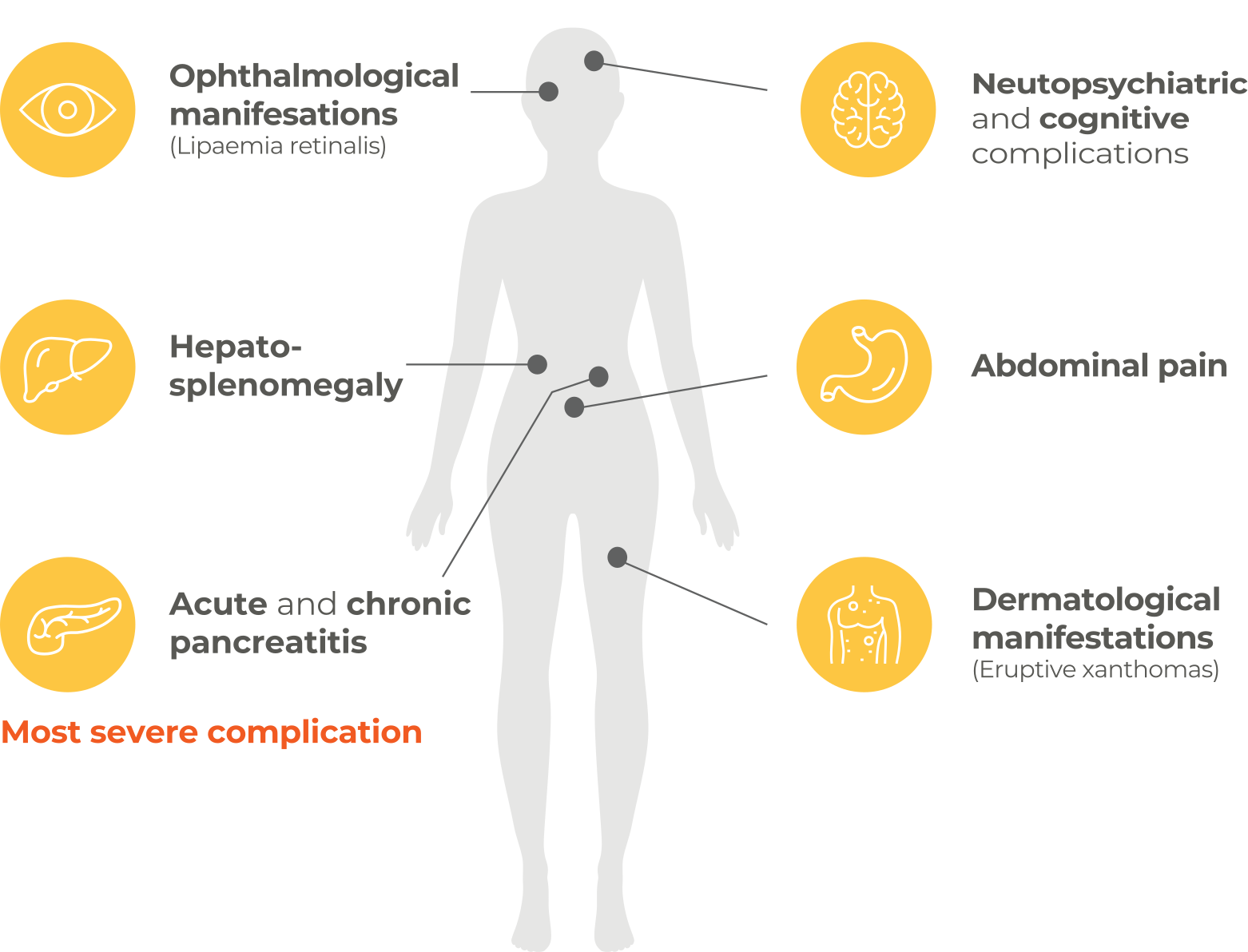
People living with sHTG face substantial daily burden
The full physical and mental impact of sHTG on patients is likely underestimated5
Patients often face a long road to diagnosis
- Clinical suspicion of HTG as a cause of abdominal pain is low18,22
- Despite sHTG being the third most common cause of acute pancreatitis, real-world data suggest that TGs are tested in only 16% of acute pancreatitis cases within ±7 days23,24
- Delayed diagnosis and treatment initiation means patients endure significant disease burden5,14,18,25,26
Patients report emotional, cognitive and physical symptoms:5
- Stress, anxiety, depression
- Brain fog, difficulty remembering things, paying attention or verbalising thoughts
- Gastrointestinal distress, abdominal pain, fatigue, shoulder and back pain
Living with sHTG requires essential – but challenging and burdensome – lifestyle modifications:5,20,25
- Restrictive diet
- Weight loss
- Physical activity
Reaching and sustaining TG control is difficult in patients with sHTG
- Current management of sHTG combines lipid-lowering therapy with strict dietary restrictions27
Traditional TG-lowering therapies include:7,20,27,28
- Omega-3 fatty acids
- Niacin
- Statins
- Fibrates
- A substantial proportion of patients with TG levels ≥880 mg/dL (10 mmol/L) remain above this threshold despite management with traditional lipid-lowering therapies and dietary restrictions8,27,29


Link between sHTG and acute pancreatitis
The acute pancreatitis critical threshold...
Learn more about the link between sHTG and acute pancreatitis
References
- Ginsberg HN, et al. Eur Heart J. 2021;42(47):4791-4806.
- Gaudet D, et al. N Engl J Med. 2014;371:2200-2206.
- Brinton E, et al. Atherosclerosis 2025;403:119114.
- Moulin P, et al. Atherosclerosis. 2018;275:265-272.
- Kessler AS, et al. J Clin Lipidol 2025; S1933-2874(25)00268-5.
- Hegele RA, et al. Lancet Diabetes Endocrinol. 2014;2(8):655-66.
- Javed F, et al. J Clin Lipid. 2025;19:382-403.
- Patel RS, et al. Cardiovascular Diabetology. 2022;21:102.
- Virani SS, et al. J Am Coll Cardiol. 2021;78(9):960-993.
- Chyzhyk V, Brown AS. Trends Cardiovasc Med. 2020;30(2):80-85.
- Rashid N, et al. J Clin Lipidol. 2016 Jul- Aug;10(4):880-890
- Yuan G, Al-Shali KZ, Hegele RA. CMAJ. 2007;176(8):1113–1120
- Kounatidis D, et al. Metabolites. 2024;14(2):123.
- Goldberg IJ, et al. Front Endocrinol (Lausanne). 2020;11:616.
- Keirns BH, et al. J Nutr Sci. 2021;10:e75.
- Baass A, et al. J Clin Lipidol. 2025;19(4).
- Hegele RA, et al. Lancet Diabetes Endocrinol. 2020;8(1):50-67.
- Nashtar MA, et al. Dig Dis Sci. 2026;71(2):709-715.
- Laufs U, et al. Eur Heart J. 2020;41(1):99-109.
- Bashir B, et al. Metabolites. 2023;13(5):621.
- Subramanian S. Endotext [Internet]. South Dartmouth (MA): MDText.com, Inc.; 2024.
- Scherer J, et al. J Clin Gastroenterol. 2014;48(3):195-203.
- Bálint ER , et al. Sci Rep. 2020;10(1):17936.
- Ortega E, et al. Presented at: 94th European Atherosclerosis Society (EAS) Congress; May 24–27, 2026; Athens, Greece. Poster No. 02-064.
- Aggarwal R, et al. A consensus statement of the International Atherosclerosis Society. IAS; 2024. Available from: https://athero.org/wp-content/uploads/2024/08/IAS_Triglycerides-Revisited-Consensus_August2024.pdf
- Subramanian S, Eur J Intern Med. 2025 Dec;145:106648.
- Gouni-Berthold I, et al. Curr Atheroscler Rep. 2023;25(10):701-709.
- Mach F, et al. European Heart Journal. 2020;41(1):111-188.
- Kutrieb E, et al. J Clin Lipidol. 2023;17(4 Suppl):e60-e61.